

Food choices to Manage Acid Reflux
What is Acidity?
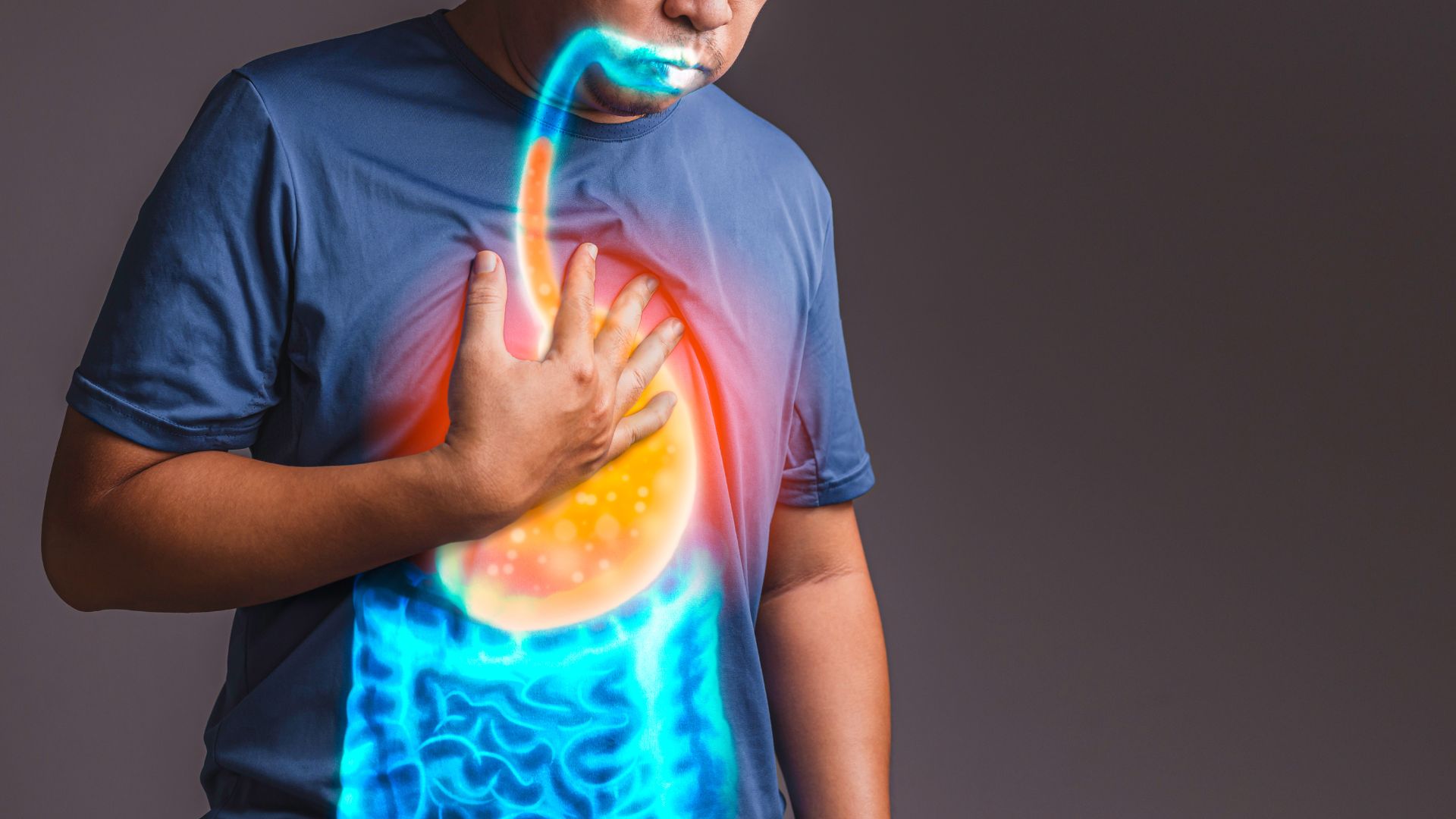
Acidity, also known as acid reflux or gastroesophageal reflux disease (GERD),
occurs when stomach acid flows back into the oesophagus, causing irritation.
This leads to a burning sensation in the chest or throat (heartburn), sour taste,
and discomfort. Frequent acidity can cause inflammation, ulcers, or other
complications in the digestive tract.
Types of Acidity:
- Acute Acidity: – Short-term and often caused by a specific trigger such as
spicy foods, overeating, or alcohol. Symptoms usually resolve with simple
dietary changes or over-the-counter antacids. - Chronic Acidity (GERD): – Long-lasting and occurs frequently (more than
twice a week). It requires medical attention and lifestyle modifications, as
untreated GERD can lead to complications like esophageal damage or Barrett’s
oesophagus. - Non-Erosive Reflux Disease (NERD): – A subtype of GERD where
symptoms like heartburn are present without any visible damage to the
oesophagus lining during medical examinations. - Erosive Esophagitis: – Severe form of GERD where the acid causes
inflammation and damage to the esophageal lining, often requiring more
intensive medical intervention.
Best Foods for Acidity:
1.Non-Citrus Fruits: – Bananas, melons, apples, pears: These fruits are less
likely to trigger acidity compared to citrus fruits, and they can soothe the
digestive tract. - Vegetables: – Broccoli, cauliflower, spinach, kale, zucchini, cucumbers:
Vegetables are naturally low in fat and sugar and help reduce stomach acid. - Whole Grains: – Oatmeal, brown rice, quinoa, whole-wheat bread: These
fibre-rich grains can help absorb stomach acid and reduce symptoms of acid
reflux. - Ginger: – Known for its anti-inflammatory properties, ginger can help reduce
acid production and soothe the digestive system. - Lean Proteins: – Chicken, turkey, fish, and egg whites: These low-fat options
can prevent excessive acid production, which high-fat foods often cause. - Healthy Fats: -Olive oil, avocados, flaxseeds, and nuts: Consuming healthy
fats in moderation can help balance your diet and reduce the risk of reflux. - Herbal Teas: – Chamomile, licorice root, and slippery elm tea : These herbal
teas can help soothe irritation in the oesophagus and balance acid levels.
Foods to Avoid: - Citrus fruits(oranges, lemons, grapefruits)
- Spicy foods (chilli, hot peppers)
- Fried and fatty foods (fast food, butter, fatty cuts of meat)
- Tomato-based products (sauces, ketchup)
- Caffeinated drinks (coffee, energy drinks)
- Alcohol and carbonated beverages
Principles of Managing Acidity: - Eat Smaller, Frequent Meals: – Instead of large meals, opt for smaller,
frequent meals to prevent the stomach from becoming too full and forcing acid
into the oesophagus. - Avoid Lying Down After Eating: – Wait at least 2-3 hours before lying down
after meals. Gravity helps keep the stomach acid where it belongs and prevents
reflux. - Maintain a Healthy Weight: – Excess weight around the abdomen can press
on the stomach and cause acid to back up into the oesophagus. Maintaining a
healthy weight can help reduce symptoms. - Elevate the Head During Sleep: – If nighttime acidity is an issue, raise the
head of the bed by 6-8 inches or use a wedge pillow to keep acid from flowing
back up while lying down. - Stay Hydrated: – Drinking water helps neutralise acid and push it back into
the stomach. Sipping water throughout the day can help manage symptoms. - Avoid Trigger Foods: – Identify and eliminate foods that trigger acidity, such
as spicy foods, fatty foods, caffeine, alcohol, and chocolate. - Chew Food Thoroughly: – Chewing your food well allows for better
digestion and reduces the chances of overeating, both of which contribute to
reduced acidity. - Avoid Tight Clothing: – Wearing tight belts or clothes around the waist can
press on the stomach, forcing acid upwards and causing reflux.