
Nutritionalal Approach for controlling Hypertension
Introduction
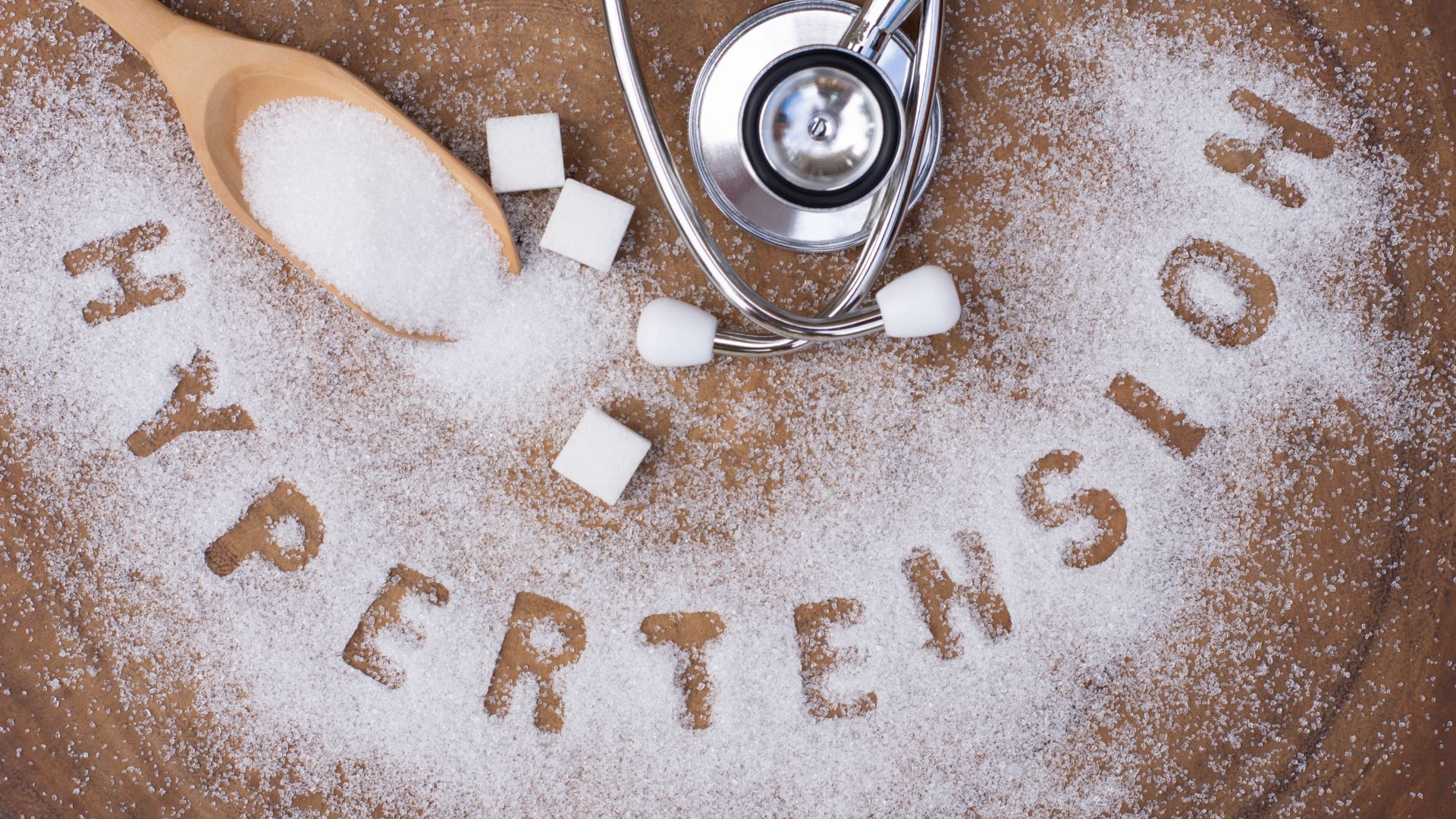
Hypertension, commonly known as high blood pressure, is a prevalent condition that affects nearly one-third of adults in the United States. If not managed properly, hypertension can lead to serious health complications, including heart disease, stroke, and kidney failure. Adopting a heart-healthy diet is one of the most effective ways to control blood pressure. This guide will provide in-depth information on dietary recommendations, practical tips, and resources to help you maintain healthy blood pressure levels.
*What is Hypertension?
Hypertension is characterized by elevated blood pressure in the arteries, which can damage blood vessels and lead to various health problems. Blood pressure is measured in millimeters of mercury (mm Hg) and is represented by two numbers: systolic (the pressure during a heartbeat) and diastolic (the pressure between beats). Normal blood pressure is generally below 120/80 mm Hg.
*Causes and Risk Factors
Understanding the causes and risk factors for hypertension is crucial for effective management:
1)Genetic Predisposition: A family history of hypertension increases the likelihood of developing the condition.
2)Obesity: Excess body weight puts additional strain on the heart, increasing blood pressure.
3)Inactivity: Sedentary lifestyles contribute to weight gain and high blood pressure.
4)High Sodium Intake: Diets high in sodium can cause the body to retain fluid, increasing blood pressure.
5)Excessive Alcohol Consumption: Drinking too much alcohol can elevate blood pressure.
6)Chronic Stress: Long-term stress may contribute to unhealthy habits and hypertension.
The DASH Diet: A Recommended Approach
The Dietary Approaches to Stop Hypertension (DASH) diet emphasizes whole, nutrient-rich foods. Here’s a breakdown of the diet’s key components:
Fruits and Vegetables
Aim for at least 4-5 servings of each daily. Fruits and vegetables are rich in essential nutrients like potassium, magnesium, and antioxidants. They help to lower blood pressure and improve overall health.
Whole Grains
Include at least 6-8 servings of whole grains daily, such as whole wheat bread, brown rice, quinoa, and oats. Whole grains provide fiber, which can help lower cholesterol and improve heart health.
Lean Proteins
Opt for 2 or fewer servings of lean meats, poultry, or fish per day, and include plant-based proteins like beans, lentils, and tofu. These options are lower in saturated fat and cholesterol.
Low-Fat Dairy
Incorporate 2-3 servings of low-fat or fat-free dairy products daily for calcium and protein. Examples include yogurt, milk, and cheese.
Nuts and Seeds
Consume 4-5 servings of unsalted nuts, seeds, or legumes weekly. These foods are rich in healthy fats, fiber, and protein.
Foods to Avoid
Limiting certain foods is essential for managing hypertension effectively:
*High-Sodium Foods
Avoid processed foods, canned soups, snack foods, and restaurant meals. Aim for less than 2,300 mg of sodium per day, or 1,500 mg for those with hypertension.
*Saturated and Trans Fats
Limit fatty cuts of meat, full-fat dairy products, fried foods, and baked goods. Replace these with healthier fats found in olive oil, avocados, and fatty fish.
*Added Sugars
Minimize sugar-sweetened beverages, desserts, and snacks, which can contribute to weight gain and increase blood pressure.
Additional Lifestyle Changes for Managing Hypertension
Alongside dietary changes, adopting a healthy lifestyle can significantly impact blood pressure:
*Regular Physical Activity
Aim for at least 150 minutes of moderate aerobic exercise (like brisk walking) each week. Physical activity helps strengthen the heart and improve circulation.
*Maintain a Healthy Weight
*Losing even a small amount of weight can lower blood pressure. Focus on a balanced diet and regular exercise to achieve a healthy weight.
*Limit Alcohol Intake
If you drink alcohol, do so in moderation—up to one drink per day for women and two drinks per day for men.
*Manage Stress
Engage in relaxation techniques such as yoga, meditation, or deep-breathing exercises to help reduce stress levels.
*Quit Smoking
Smoking increases blood pressure and harms overall cardiovascular health. Seek support for cessation programs if needed.