
How casinos use psychology to keep you playing
The Power of Environment
Casinos are meticulously crafted to create immersive environments that appeal to the senses and encourage extended play. The strategic use of lighting plays a pivotal role in this design; vibrant colors are employed to capture attention and energize the atmosphere, while dimly lit areas foster intimacy and focus. This combination not only creates a visually stimulating space but also serves to remove distractions, allowing players to become fully engrossed in their gaming experience. For those looking for excitement, the best online casino australia options are often the most engaging, amplifying the thrill of the moment. The absence of clocks and windows amplifies this effect, distorting players’ perception of time and often leading them to stay longer than they originally intended.
Sound is another crucial element in the psychological design of casinos. The jingling of slot machines when someone wins or the rhythmic background music contribute to an exciting auditory landscape that enhances the overall experience. These sounds create a sense of anticipation and reward, triggering the release of dopamine in the brain—a neurotransmitter closely linked to pleasure and satisfaction. The synergy of sound and visual stimulation shapes an exhilarating environment that beckons players to continue their participation, effectively keeping them engaged in the gaming experience.
Moreover, specific areas within casinos, like high-stakes rooms or exclusive lounges, are designed to evoke feelings of prestige and exclusivity. This strategic placement influences players’ perceptions of their social status and success, inciting them to gamble more to maintain the thrill and status associated with these spaces. By manipulating various environmental factors, casinos create a psychological landscape that fosters a compelling urge to keep playing, drawing players into a continuous cycle of engagement that can be difficult to break.
Reward Systems and Variable Reinforcement
One of the most potent psychological principles at work in casinos is variable reinforcement, which refers to the unpredictable nature of rewards that generates excitement and anticipation. For instance, slot machines are programmed to deliver wins at random intervals, making the outcome feel uncertain and thrilling. This unpredictability is intoxicating; players are often driven by the hope of hitting a big jackpot, which compels them to return for more. This system mirrors behaviors seen in gambling addiction, as intermittent rewards can create compulsive behaviors and a powerful desire to chase losses.
Psychological studies have long explored the impact of these reward systems on human behavior. The classic “Skinner Box” experiments demonstrated how animals could be conditioned to perform tasks in anticipation of variable rewards. Similarly, casinos utilize this principle to ensure that players remain engaged through sporadic wins, which can be enough to rejuvenate a player’s enthusiasm for the game. Even small payouts can reinforce behavior, prompting players to gamble more in hopes of achieving larger rewards and further entrenching them in the gaming cycle.
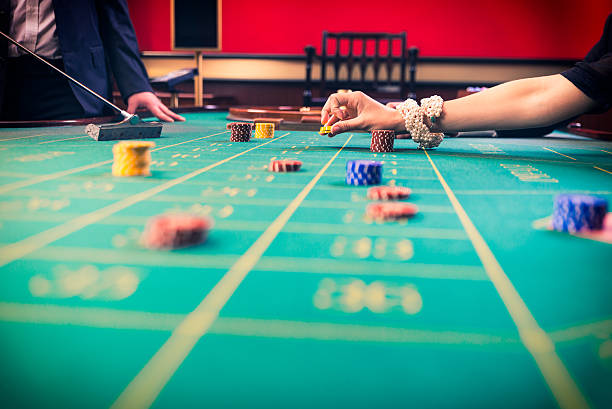
Additionally, loyalty programs and promotional offers serve to amplify this reward system. By providing points, bonuses, or other incentives for continued play, casinos tap into the psychological concepts of commitment and consistency. Players are encouraged to return frequently, not just for immediate gains, but to accumulate points for future benefits, creating a cycle that keeps them engaged over time. This strategy not only enhances immediate player retention but also fosters a long-term relationship between the player and the casino, making it more likely that they will return for future visits.
The Illusion of Control
Another significant psychological tactic employed by casinos is the illusion of control, which refers to the belief among players that they can influence game outcomes, even when results are primarily determined by chance. Many players feel that their decisions or strategies can impact the results in games like poker or blackjack. This perception fosters a sense of agency and empowerment, encouraging players to invest more time and money into their gaming experiences, despite the underlying randomness of the games.
This illusion is often reinforced through the choices players make during gameplay, such as deciding how much to bet or when to hit or fold. Such decisions generate a false sense of influence, leading to a deeper emotional involvement in the game. As players engage in decision-making, they become more attached to the outcomes, thereby increasing their willingness to continue playing in hopes of leveraging their perceived skills for favorable results.
Furthermore, the promotion of skill-based games can enhance the illusion of control. When players perceive themselves as skilled individuals, they are more likely to invest time and money into gaming, believing that their efforts might lead to eventual success. This perception not only helps maintain their interest but also creates an environment where persistence seems to be a pathway to achieving goals. By fostering this false sense of control, casinos effectively prolong the gaming experience, often leading to increased playtime and expenditure.
Social Influence and Community Building
The social dynamics of gambling significantly contribute to attracting players and keeping them engaged longer. Casinos capitalize on the power of community by creating spaces that facilitate social interaction, thereby enhancing the overall gaming experience. Games such as poker and blackjack inherently require interaction among players, encouraging conversations that deepen emotional investment and foster a sense of camaraderie. This shared experience elevates the motivation to play, as individuals are not only gambling for personal gain but also seeking social validation from their peers.

Moreover, the presence of staff and other players can further enhance this social dynamic within casinos. Friendly dealers, attentive waitstaff offering complimentary beverages, and the lively atmosphere created by other players contribute to a vibrant social setting. This environment can lead to a stronger emotional attachment to the gaming experience, as players feel part of a larger community, which amplifies their desire to remain engaged. The combination of personal rewards and social interactions creates a multifaceted experience that fulfills both individual and communal needs.
Additionally, promotional events, tournaments, and themed nights are strategically designed by casinos to bring players together in a communal setting. These events not only foster social engagement but also encourage larger gatherings within the casino, making the environment more dynamic and inviting. Players are likely to return for these social events, which builds a sense of loyalty and connection to the casino itself. This ongoing relationship promotes prolonged play and increases the likelihood of return visits, further embedding players within the casino’s ecosystem.
Understanding Casino Strategies
Gaining an understanding of the psychological strategies employed by casinos provides valuable insights for players. Recognizing the manipulative design elements, reward systems, and social influences can empower individuals to approach their gaming experiences with greater awareness. This knowledge can serve as a protective barrier against the psychological tactics that casinos may utilize to influence behavior and encourage extended play, enabling players to make more informed choices.
Additionally, it is crucial for players to cultivate a mindset that prioritizes enjoyment over winning. By focusing on the entertainment value of gambling, individuals can mitigate the effects of psychological tactics, leading to a more balanced and healthy gaming experience. This approach fosters a healthier relationship with gambling, reducing the risk of developing problematic gambling behaviors that can arise from prolonged exposure to casino strategies.
In conclusion, while casinos are expertly designed using psychological principles to keep players engaged, understanding these methodologies can pave the way for more mindful gaming. Players can enjoy the thrill of gambling while maintaining control over their choices and spending. The key is to recognize the strategies at play, allowing for a more enjoyable and responsible gambling experience that aligns with personal values and limits.